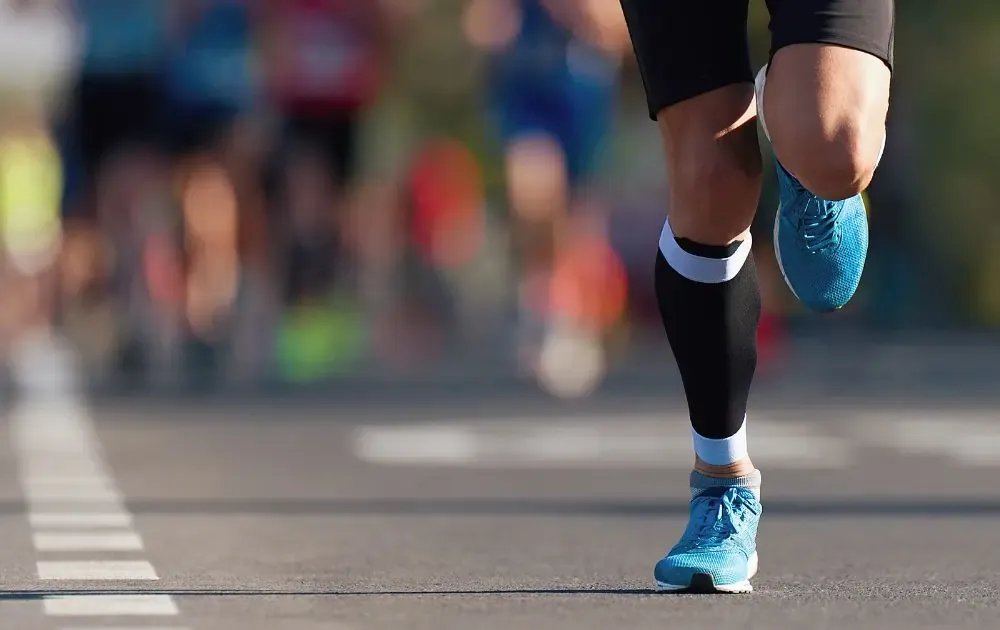
The Best Footwear to Use When Running
Running shoes can make or break your run. What to look for when buying a new pair, and the difference between road and trail running shoes.

Whether you are a seasoned marathon runner, a social weekly runner or someone who goes for the odd jog now and then, having the right footwear is essential. Your running shoes can make or break your whole running experience. Imagine running a 42 km marathon in uncomfortable shoes: ending your run with blisters all over your feet, sore toes and aching heels is enough to put anyone off running for good!
The right footwear makes your run more pleasant while giving your feet the protection they need. Running shoes need the right amount of cushioning at the front of the foot and the heel, because every stride sends an impact force through your body that can reach several times your body weight. Hard shoes that send a shock up your leg with every step are a big no.
What should I look for when buying new running shoes?
As with any kind of sports shoe, you need to know what you are looking for. Choosing a new pair of running shoes can be overwhelming: there are countless brands and styles, and it is difficult to know where to start. A few things to look for:
- A modest heel-to-toe drop. The drop is the difference in height between the heel and the forefoot. Shoes with a drop of around 6 mm or less are usually described as low-drop. If you are used to higher-drop shoes, change gradually.
- A neutral feel. For most runners, the shoe should not interfere with the natural movement of the foot. Some runners do benefit from extra support, so ask for advice if you are unsure.
- Light weight. A heavy shoe takes more energy to move than a lighter one.
- Room for your toes. You should be able to wiggle your toes. They should not be pushed and squashed into the front of the shoe, especially as feet swell on long runs.
- The right cushioning. A lot of cushioning feels soft but gives you less feedback from the ground. Too little cushioning can be uncomfortable for people who are not used to it.
- Fit first. Don't buy running shoes online until you know which model and size are right for you. A specialist running shop can let you try them on, and some offer gait analysis.
Different types of running shoes
Road running and trail running shoes are very different. Road running shoes are designed to absorb shock when you run on hard surfaces such as tarmac and pavements, which helps protect your joints.
Trail running shoes are made for uneven and loose ground. You need better grip on trails, so these shoes have deeper lugs at the toe and heel for traction. They are built to cope with the muddiest of paths and give support in any weather. In the same way that other sports need specialist footwear, from football boots to ski boots, running shoes need to protect and support the runner, whether on long road marathons or on muddy trail runs. Just like running shoes can be bought online, ski boots and other skiing apparel can be purchased at highlife.ie.
When to replace them
Running shoes wear out, even if they still look fine. Many runners replace them every 300 to 500 miles, or sooner if the cushioning feels flat or new aches appear. Keeping a note of your mileage, or rotating two pairs, helps you notice when it is time. Read more in our 5 essential marathon tips.